Backup Power Systems: The Dependable Answer for Continuous Electricity
Backup generators act as an essential defense when the power goes out. These systems operate smoothly, switching on in moments following an interruption. Powered by different energy types, the generators ensure homes and businesses remain operational when disaster strikes. However, knowing their advantages and specifications is essential for making an informed decision. What aspects should one consider prior to purchasing such a system? The next segments discuss these important factors.
The Mechanics of Backup Power: The Functionality
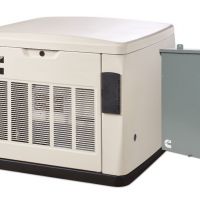
Automatic generators are vital systems which deliver instantaneous reserve energy during power losses. They are typically installed outside the structure, linked to the main wiring and powered by diesel, propane, or natural gas. If an electricity outage happens, the generator senses the power failure and activates within seconds. This action utilizes an ATS (Automatic Transfer Switch), which disconnects the home from the grid and links it to the backup unit
(Portland Standby Generators)The generator then begins to produce electricity, feeding electricity to vital loads or the complete structure, relative to its output. The majority of backup systems include an internal tracking mechanism which ensures correct operation and upkeep. These units run for long durations, delivering dependable electricity until the public power returns. Grasping how backup generators work enables users to see their importance in improving power reliability and lessening outages when the power suddenly fails
Why Install an Automatic Generator
Reliability is a significant advantage when putting in a backup system, because it provides constant power during outages. This essential feature assures that homes and businesses remain operational, securing critical items and preserving convenience. Additionally, backup systems boost security by preventing power outages that could lead to hazardous situations, such as pipe damage or critical device shutdowns.
Affordability is a key positive aspect; while the upfront cost may be substantial, the long-term savings from minimizing spoilage, disrupted workflow, and emergency repairs can be remarkable. Moreover, standby generators boost the home's worth, which makes them an attractive feature for prospective purchasers.
Ease of operation is a key factor, as such systems turn on automatically during an outage, doing away with the requirement for manual intervention. This seamless operation allows users to keep up their normal schedules without disruption. In conclusion, setting up a standby system provides security, assuring that power is readily accessible when critical.
Key Features to Look for in a Generator Unit
When choosing a standby generator, several key features must be evaluated to achieve the best results and appropriateness for individual requirements. First, the power output is vital; buyers must determine the wattage required to support essential appliances during an outage. Additionally, the fuel type—whether natural gas, propane, or diesel—impacts performance and operational costs.
An additional key element is the automatic transfer mechanism, which facilitates seamless power changeover and enhances safety. Construction and longevity are key factors; a well-built system can withstand harsh weather conditions.
Furthermore, noise levels should be assessed, as less noisy generators are ideal for residential areas. Certain models include self-starting features, adding comfort during unforeseen blackouts. Finally, support and coverage details need to be checked, ensuring dependable assistance and maintenance. By evaluating these features, prospective buyers can pick a unit that satisfies their specific energy requirements effectively.
Factors to Consider Before Purchase
Before committing to a standby generator, potential buyers should carefully evaluate multiple critical elements to ensure they reach an informed decision. Portland Standby Generators. To start, they must determine their wattage demands by figuring out the necessary capacity to operate critical systems during an outage. Next, the power source is important; options include natural gas, propane, or diesel, all having distinct benefits and access factors
Additionally, customers need to examine the generator's transfer switch, which ensures easy power switching. Installation requirements must also be considered, because specific units could demand a certified installation or the securing of permits
Warranty and service options should not be overlooked, as these can greatly impact your satisfaction over time. Finally, buyers need to assess the generator's noise levels, particularly if they reside in residential areas. When reviewing these aspects, customers may pick the right generator that perfectly suits their get details on this specific needs and preferences
Maintenance Tips for Your Standby Generator
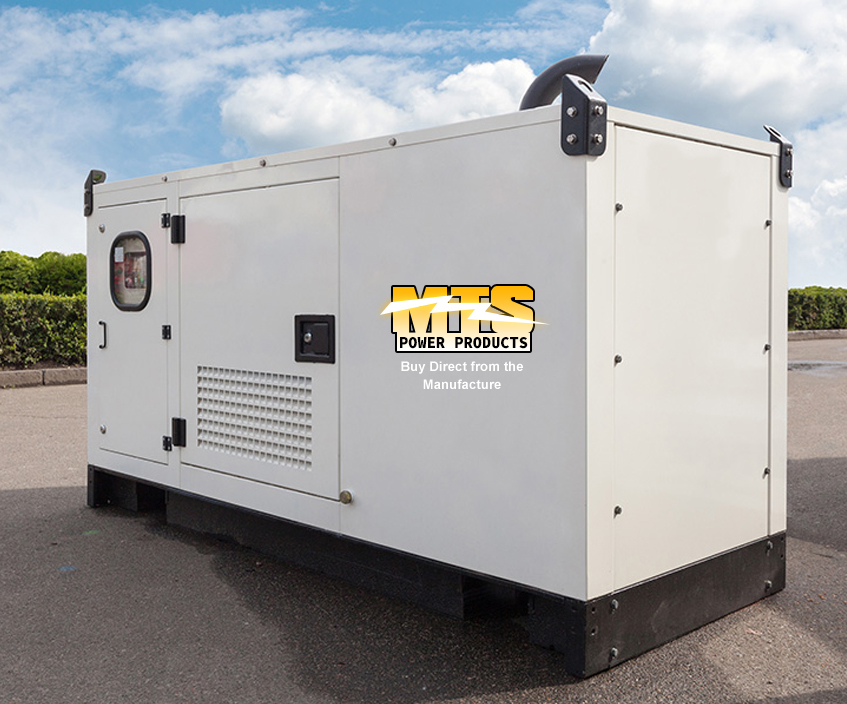
Routine servicing is crucial to ensure optimal functioning and the long life of a backup generator. Start by examining the generator's oil levels, changing the oil and filter according to the manufacturer's recommendations. Inspect the air filter often and change it when needed to ensure proper air circulation. You should also test the battery and remove any terminal corrosion to ensure it starts reliably.
Conduct periodic load tests to confirm the generator can handle its maximum load. Additionally, verify that the exhaust is clear of blockages and leaks. Maintaining a clean, debris-free generator helps avoid overheating and problems.
As a final step, arrange for expert servicing annually at a minimum to address any potential problems and carry out detailed inspections. Following these maintenance tips can maximize the longevity of a standby generator, offering reassurance when the power goes out.
FAQs
What is the Average Cost of Standby Generators?
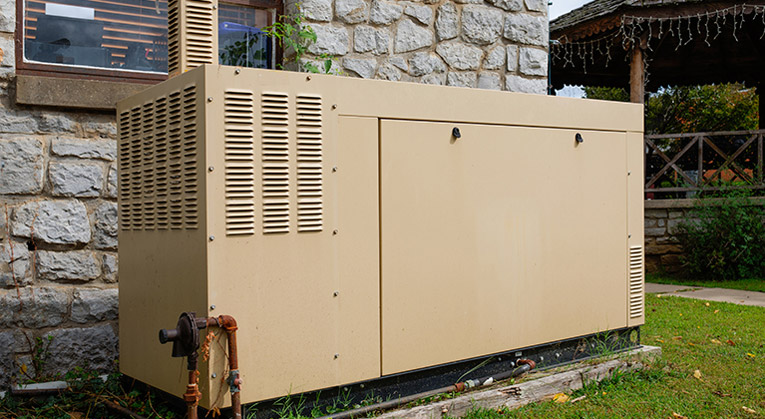
Backup generators usually range between $2,000 and $15,000, depending on factors such as brand, power capacity, and how complex the installation is. Extra costs often involve maintenance, permits, and the cost of fuel tanks, affecting the total investment needed.
Can I Install a Standby Generator Myself?
It is possible to install a standby generator yourself, but it requires knowledge of electrical systems and local codes. Most professionals advise getting a contractor to guarantee safety, conformance, and the best operation of the generator installation.
What Fuels Do Standby Generators Use?
Standby generators typically use fuels such as diesel, natural gas, propane, or gasoline. Portland Standby Generators. The selection of energy source often depends on availability, cost, and specific energy needs, affecting the operation and efficiency of the generator
Are There Any Permits Required for Installation?
Absolutely, installation permits are usually mandated for the installation of standby generators. The specific codes change based on the locale, so it is vital for those installing the unit to speak to the municipal government to guarantee compliance with all relevant codes and requirements.
For What Duration Can a Standby Unit Operate Continuously?
A standby generator can run continuously for a range of periods, typically ranging from 24 to 48 hours, contingent upon the demands and the fuel source. Routine upkeep ensures maximum efficiency and durability during extended operation periods.